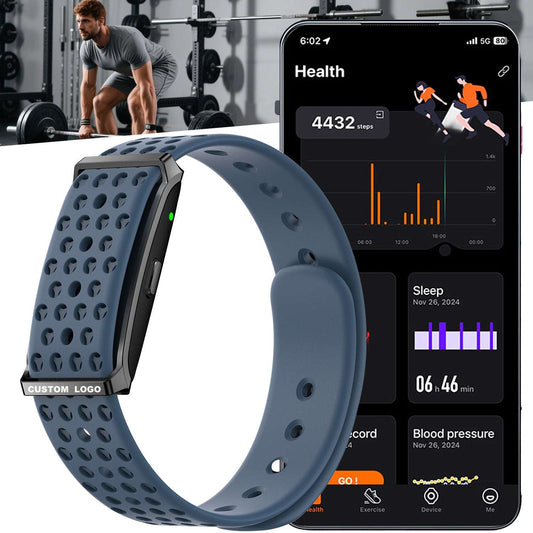

Fitness Trackers in India: Leading Cities, Domestic Brands,Top-Selling Devices, and How to Source Customizable Trackers
Introduction: India’s Fitness Tracker Market Overview
India’s fitness tracker industry is growing at an unprecedented pace, fueled by a tech-savvy population, rising health awareness, and the increasing adoption of wearable technology. From urban professionals tracking daily activity to fitness enthusiasts monitoring workouts, fitness tracker watches and bands are becoming an essential part of daily life. With so many options on the market, consumers are seeking not just functionality but also style, affordability, and reliability—making the race for the best fitness tracker in India highly competitive.

Several cities are at the forefront of this growth. Bangalore, Mumbai, and Delhi NCR lead the charge, each contributing uniquely to the ecosystem. Bangalore is the innovation and R&D hub, attracting startups and tech talent focused on advanced new fitness trackers and software integrations. Mumbai serves as the branding and marketing powerhouse, helping brands connect with a diverse and trend-conscious audience. Delhi NCR strengthens the supply chain with manufacturing and logistics excellence, enabling both domestic distribution and exports. Together, these cities are shaping India as a key player in the global fitness tracker market.
Global brands like Fitbit fitness trackers, Garmin, and Xiaomi have long held significant market share in India. However, emerging Indian brands are gaining attention with devices that combine affordability, modern design, and essential health features. Minimalist fitness trackers and GPS fitness trackers are increasingly popular, while fitness trackers without display appeal to users seeking subtle, lightweight options. This variety allows consumers to choose a device that best fits their lifestyle, from basic step tracking to advanced heart rate and sleep monitoring.

E-commerce has further accelerated the market’s growth. Online platforms allow consumers to easily compare features, prices, and reviews, boosting visibility for both international and Indian brands. With increasing digital penetration in tier-2 and tier-3 cities, demand for popular fitness trackers continues to expand beyond metropolitan centers.
In this comprehensive blog, we will explore:
- The cities powering India’s fitness tracker industry and their roles in innovation, branding, and manufacturing.
- Leading global and Indian brands shaping the market and their strategies.
- Top-selling device types, including fitness tracker watches, minimalist trackers, and specialized models for men and women.
- Global buyer preferences and export opportunities, including trends like the Whoop fitness tracker and other advanced smart bands.
- How brands can source high-quality custom fitness trackers with reliable manufacturing partners.
By the end of this guide, you will gain a clear understanding of the Indian market, key growth drivers, and practical strategies for entrepreneurs, retailers, and international buyers looking to capitalize on India’s booming fitness tracker industry.
Cities Powering India’s Fitness Tracker Industry
India’s fitness tracker industry is not only growing domestically but is also making a mark internationally. A few key cities—Bangalore, Mumbai, and Delhi NCR—have become the engines driving this growth. Each city contributes uniquely to the development, marketing, and production of popular fitness trackers and fitness tracker watches, helping both local and global brands succeed in India.
Bangalore: India’s Tech & Innovation Hub
Bangalore, often called India’s “Silicon Valley,” leads in innovation for new fitness trackers. The city’s thriving startup ecosystem, combined with access to highly skilled engineers and designers, makes it an ideal location for wearable technology development. Companies here focus on building minimalist fitness trackers, GPS fitness trackers, and smart fitness tracker watches that appeal to tech-savvy consumers.
Key strengths of Bangalore include:
- Talent pool: Software developers, hardware engineers, and wearable tech specialists who innovate on sensor accuracy, UI design, and firmware.
- Startup ecosystem: Incubators and accelerators support rapid prototyping and testing of new fitness trackers.
- Technology access: Advanced chipsets, sensors, and IoT integrations are readily available, enabling devices to compete as the best fitness tracker in India.
Many Bangalore-based brands are focusing on data accuracy, mobile app integration, and compact designs, making them highly competitive both in domestic and international markets.
Mumbai: Financial & Branding Powerhouse
Mumbai’s influence in the fitness tracker India market lies in its ability to drive brand awareness, marketing strategies, and consumer engagement. As India’s financial capital, it attracts investors, advertising experts, and e-commerce partnerships—key ingredients for launching popular fitness trackers.
Mumbai-based companies leverage:
- Financial expertise: Access to venture capital and strategic funding for product development.
- Consumer insights: Exposure to diverse urban consumers enables companies to design fitness tracker watches that appeal to a broad demographic.
- Brand positioning: Strategic marketing campaigns, influencer collaborations, and social media promotion increase visibility for both international and local brands.
Brands in Mumbai often combine style with functionality, producing devices that are as fashionable as they are practical. For instance, minimalist fitness trackers and hybrid fitness tracker watches are popular among young urban professionals seeking both utility and aesthetic appeal.
Delhi NCR: Manufacturing & Supply Chain Hub
Delhi NCR excels in manufacturing, logistics, and supply chain management for fitness tracker India brands. Many of the country’s hardware-focused startups and larger companies rely on this region for efficient assembly, quality control, and distribution.
Strengths of Delhi NCR include:
- Manufacturing capabilities: Facilities equipped to produce both basic fitness trackers without display and advanced GPS fitness trackers.
- Engineering expertise: Skilled labor in PCB design, hardware assembly, and product testing ensures high-quality devices.
- Logistics infrastructure: Efficient transportation networks support distribution across India and for export markets, helping brands reach global buyers.
Delhi NCR also supports rapid scaling of production, which is critical for brands that want to establish themselves as the best fitness tracker in India while maintaining consistent quality.
Why These Cities Matter for Brands

Together, Bangalore, Mumbai, and Delhi NCR create a comprehensive ecosystem for the fitness tracker industry in India:
- Bangalore drives innovation and technology for new devices.
- Mumbai provides marketing, brand-building, and access to consumers.
- Delhi NCR ensures manufacturing efficiency and distribution scale.
For brands aiming to offer popular fitness trackers or the best fitness tracker in India, understanding the unique advantages of each city is crucial. These hubs provide the talent, resources, and infrastructure needed to develop and deliver fitness tracker watches, GPS trackers, and other wearable devices that satisfy consumer demand and compete globally.
Global Buyers & Export Markets for India’s Fitness Trackers

India’s fitness tracker industry is not just thriving domestically; it is also making significant inroads into international markets. With rising demand for wearable health technology globally, Indian brands and manufacturers are exporting popular fitness trackers, fitness tracker watches, and GPS fitness trackers to North America, Europe, and the Asia-Pacific region.
North America: High-Tech & Health-Conscious Consumers
North America is one of the largest markets for fitness trackers, especially devices like Whoop fitness tracker that emphasize advanced health monitoring. Consumers in this region value:
- Accurate heart rate and sleep tracking
- Real-time activity and recovery metrics
- Seamless app integration for data insights
Indian manufacturers exporting to North America focus on quality, compliance, and customization. Devices such as fitness trackers without display appeal to consumers seeking discreet, lightweight options while retaining advanced tracking features. By offering competitively priced alternatives, Indian brands are steadily gaining visibility alongside global leaders like Fitbit and Garmin.
Europe: Style & Sustainability
European buyers prioritize fitness tracker watches and minimalist fitness trackers that combine functionality with sleek design. Sustainability and eco-friendly materials are also increasingly important. Popular features among European consumers include:
- Compact and lightweight devices
- Long battery life and water resistance
- Customizable watch faces and straps
Indian brands entering Europe often leverage online platforms and localized marketing to reach buyers efficiently. Exporting fitness tracker watches and GPS fitness trackers with EU-compliant certifications ensures a smoother entry into this competitive market.
Asia-Pacific: Emerging Demand & Affordability
The Asia-Pacific region is rapidly becoming a hotspot for popular fitness trackers due to rising health awareness and growing disposable incomes. Markets such as Australia, Japan, and Southeast Asia seek:
- Affordable yet feature-rich devices
- Accurate fitness tracking for running, cycling, and gym activities
- Smart connectivity and app-based health monitoring
Indian manufacturers are well-positioned to meet these demands. By offering customizable options and high-quality production, they can cater to both local preferences and global standards.
Global Buyer Profiles
Understanding international buyer preferences is essential for brands exporting fitness trackers from India. Key insights include:
- North America: High-tech, data-driven users who prefer devices like Whoop fitness tracker and GPS fitness trackers.
- Europe: Style-conscious and eco-aware consumers favor minimalist fitness trackers and elegant fitness tracker watches.
- Asia-Pacific: Cost-sensitive buyers who value functionality, durability, and connectivity.
Manufacturers can adjust designs, features, and packaging to appeal to each region. Exporters also optimize shipping, logistics, and compliance to maintain a strong presence in these markets.
The Role of E-Commerce & Fitness Tracker Websites
Online sales channels play a crucial role in international trade. Fitness tracker websites allow brands to showcase devices like fitness tracker watches, fitness trackers without display, and GPS fitness trackers to global buyers. Benefits include:
- Access to broader audiences without relying solely on local retailers
- Efficient product comparisons for international buyers
- Increased brand visibility and credibility through professional websites
Indian exporters leveraging digital platforms can engage directly with global consumers, showcase certifications, and provide detailed product information to support purchase decisions.
Why India is a Strong Exporter
India’s combination of advanced manufacturing, cost efficiency, and expertise in wearable tech makes it a reliable source for high-quality popular fitness trackers. Manufacturers can produce customizable devices, meet international standards, and respond quickly to market trends. With the growing popularity of devices like the Whoop fitness tracker, Indian brands are increasingly recognized for their ability to deliver innovative, reliable, and globally competitive wearables.
Leading Brands in India’s Fitness Tracker Market
India’s fitness tracker industry is highly competitive, with both international and local brands vying for market share. Leading global brands like Fitbit fitness trackers, Garmin, and Xiaomi dominate certain segments, while emerging Indian companies are quickly gaining traction with innovative products and competitive pricing. Understanding these players is key for consumers, retailers, and entrepreneurs looking to navigate the fitness tracker India landscape.
Fitbit Fitness Tracker: The Global Leader
Fitbit fitness trackers are synonymous with reliability, accuracy, and comprehensive health monitoring. Popular for both beginners and fitness enthusiasts, Fitbit offers a wide range of devices, from simple step counters to multifunctional fitness tracker watches.
Key strengths include:
- Accurate health metrics: Heart rate, sleep quality, and activity tracking
- Seamless app integration: Easy synchronization with smartphones for in-depth data
- Diverse product range: Devices for casual users, athletes, and advanced fitness trackers
Fitbit continues to maintain dominance in India due to brand trust, consistent innovation, and effective marketing. Many consumers consider Fitbit when searching for the best fitness tracker in India.
Xiaomi: Affordable & Feature-Rich
Xiaomi’s Mi Band series has captured the attention of price-conscious consumers without compromising on features. Known for its sleek minimalist fitness trackers and GPS fitness trackers, Xiaomi appeals to first-time buyers as well as tech enthusiasts.
Key features:
- Lightweight, comfortable design for daily wear
- Accurate activity tracking with mobile app integration
- Long battery life and affordability
Xiaomi’s balance of price and performance makes it one of the most popular fitness trackers in India. Its widespread availability through online marketplaces further strengthens its market presence.
Garmin: Premium & High-Performance Trackers
Garmin specializes in advanced fitness tracker watches with features geared toward athletes and outdoor enthusiasts. Its devices are equipped with GPS fitness trackers, VO2 max monitoring, and sports-specific modes for running, cycling, and swimming.
Reasons for popularity:
- High-precision tracking for professional and semi-professional users
- Rugged, durable designs for outdoor activities
- Integration with fitness apps for performance insights
Garmin’s premium positioning makes it a go-to choice for users seeking specialized features and robust build quality.
Emerging Indian Brands
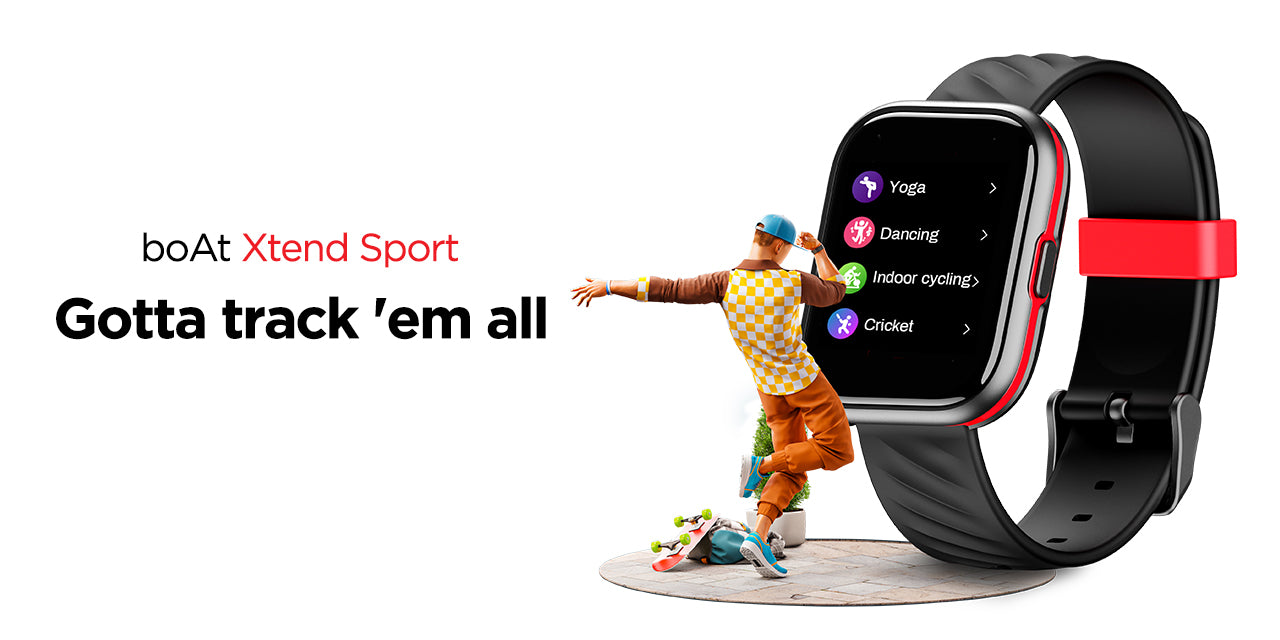
Local brands are rapidly carving out space in the fitness tracker India market. Companies like Noise, boAt, Fastrack, GOQii, and Fire-Boltt combine affordability, style, and functionality to attract consumers. Many Indian brands focus on:
- Fashionable fitness tracker watches for men and women
- Smart features like heart rate, SpO2, and sleep tracking
- Affordable entry points for beginners and youth-oriented designs
These brands leverage e-commerce platforms and influencer marketing to expand visibility, making them strong competitors in the popular fitness trackers category.
Among Indian brands, the top player boAt achieved about 27.6% share of the wearable market in Q2 2023, underscoring the ability of home‑grown companies to compete. On the global front, companies such as Fitbit and Garmin remain dominant in the fitness‑tracker / smartwatch space, with high value‑share even if their unit share is smaller in India.
Market Share Leaders – The Brands Dominating India
The Indian wearable-device market, which includes fitness tracker watches, smart bands and wrist-worn health devices, has become fiercely competitive. Home-grown brands are now taking a significant share, even as global players continue to hold influence. Recent data from International Data Corporation (IDC) provides clear insight into how the market is shaping up.
Current Market Snapshot
- In H1 2023, India’s wearable market grew 53.3% year-on-year, with domestic brand boAt capturing 26.6% of the market. business-standard.com
- By 2024, boAt’s share rose to 27.6% of the total shipments, with Noise at around 12.2%. fonearena.com
- In Q2 2024, for the smartwatch segment alone, Noise held around 25.7% of that category, with boAt at 11.6%. Gadgets 360
- For the first half of 2025, boAt led with approximately 28% of the overall wearable market in India. Beebom Gadgets+1
Examples of Market Share by Brand
- boAt (Imagine Marketing) — ~27% of overall wearables as of 2024.
- Noise (Nexxbase) — ~12% of overall wearables in 2024, and ~25.7% share in the smartwatch segment in Q2 2024.
- Other brands (e.g., Boult, Fire-Boltt) occupy smaller but growing shares.
Implications for Fitness Trackers
Although the data above covers the broader wearables market (which includes smart bands and general wrist-worn devices), it’s a strong proxy for the fitness tracker India segment, given that many wearables serve fitness-monitoring functions. For businesses and consumers looking into the best fitness tracker in India, understanding that domestic brands now form a large volume share is important. This means:
- Homegrown brands may offer more competitive pricing and localized features.
- Global brands still retain value-oriented or premium positioning (for example, in health-sensor accuracy, brand prestige or ecosystem strength).
- The shift in market share also signals that channels (online/offline), marketing strategies, product mix (fitness bands vs. watches) and feature differentiation (minimalist vs. full smartwatch) are key differentiators.
Why the Shift is Happening
Several factors underlie this transition in market share:
- Local manufacturing and cost efficiency — Domestic brands tap into local production and supply-chain advantages, enabling cheaper devices.
- Consumer health awareness — With growing demand for health monitoring, even budget-friendly devices (often called “fitness trackers”) are capturing large volumes.
- Distribution & e-commerce penetration — Easier access to online retail and deeply penetrated offline channels mean that even non-metro consumers are buying fitness wearables.
- Segmentation and differentiation — Brands are offering diverse devices: from minimalist fitness trackers for budget users, to feature-rich fitness tracker watches for advanced users.
- What This Means for You
If you are a brand or distributor looking at fitness trackers in India:
- Competing with Indian brands on price alone is tough — the domestic brands already have strong volume, brand awareness and distribution.
- Differentiation matters — whether via health features (ECG, SpO₂, blood pressure), materials (premium build), design (gender-specific styling) or ecosystem (apps, firmware).
- For global players or niche segments (premium fitness trackers, GPS fitness trackers, focused health wearables) there’s still space, but you must justify higher ASPs via features, brand value or innovation.
- Market share data shows the dominance of a handful of players — any new entrant or smaller brand must either carve a niche (e.g., “fitness tracker without display”, minimalist design) or partner/supply via OEM/ODM to scale cost-effectively.
Top-Selling Fitness Tracker Types in India
India’s fitness tracker market is as diverse as its consumers. With millions of health-conscious buyers, the country has become one of the fastest-growing markets for both affordable and advanced wearable devices. From minimalist fitness trackers to high-performance GPS fitness tracker watches, brands are offering tailored solutions to meet every lifestyle and budget.
1. Minimalist Fitness Trackers: Simplicity Meets Functionality

Minimalist fitness trackers are gaining popularity among urban professionals and first-time buyers. These devices focus on essential health metrics such as step count, heart rate, calorie burn, and sleep quality—without unnecessary distractions. Their discreet design and lightweight form make them perfect for daily use.
Popular minimalist fitness tracker models, such as the Xiaomi Mi Band and Noise ColorFit series, lead the market in this segment. These bands deliver solid performance, long battery life, and app connectivity—making them among the best fitness trackers in India for users who value practicality and affordability.
Minimalist trackers are also driving interest among women and professionals who prefer elegant, slim designs. As consumers increasingly look for low-maintenance devices, the “less is more” philosophy continues to shape buying decisions.
2. GPS Fitness Trackers: Precision for Outdoor Enthusiasts

For serious fitness enthusiasts and outdoor adventurers, GPS fitness trackers are indispensable. These devices are equipped with precise location tracking, route mapping, and real-time performance metrics. They’re designed for users who engage in sports like running, cycling, and hiking.
Brands such as Garmin, Amazfit, and Fire-Boltt dominate this category, offering both standalone GPS and connected-GPS options. Garmin’s Instinct and Forerunner series, for example, are recognized globally as some of the best fitness trackers for athletes and explorers. Their rugged construction, long battery endurance, and multi-sport tracking capabilities make them a top choice in India’s premium wearable segment.
The rising popularity of outdoor fitness activities across Indian cities—especially in Bangalore, Pune, and Delhi—continues to fuel demand for GPS trackers. This segment also attracts B2B buyers, including gyms, sports academies, and corporate wellness programs.
3. Fitness Trackers Without Display: Subtle and Data-Driven

Another growing trend is the fitness tracker without display category, often referred to as “screen-free” or “invisible” wearables. These devices connect to smartphone apps to present detailed analytics, keeping the wearable itself minimalistic and distraction-free.
The appeal of these devices lies in their discreet design and long battery life. They suit users who prefer not to have notifications or screen time interruptions during workouts or work hours. Products like the Whoop fitness tracker and Whoop smart band exemplify this shift—prioritizing performance insights and health data over traditional watch-style displays.
Indian consumers, particularly professionals and athletes, appreciate these wearables for their focus on health performance rather than style. As wellness becomes a long-term lifestyle choice rather than a passing trend, screen-free designs are expected to capture a significant portion of the market.
4. Fitness Tracker Watches: The All-in-One Wearable

The fitness tracker watch category continues to dominate sales in India. Combining the best of smartwatch features with health-focused tracking, these devices offer a complete digital companion for fitness and daily use.
Top players in this category include Fitbit, boAt, Noise, and Fire-Boltt. Fitbit’s Versa and Charge series remain favorites among consumers seeking reliable heart rate and sleep monitoring. Meanwhile, Indian brands have made waves with stylish, feature-rich models at competitive prices—often positioning themselves as the best fitness tracker watches in India.
Typical features include:
- Heart rate and blood oxygen monitoring (SpO₂)
- GPS and activity tracking
- Smartphone notifications and call control
- Customizable watch faces and app integration
The versatility of tracker watches makes them ideal for users across demographics—from working professionals to students and athletes. As consumers increasingly look for multi-purpose devices, tracker watches are expected to lead the segment’s growth trajectory through 2026.
5. Gender-Specific Trackers: Designed for Men and Women
The fitness tracker for men and fitness trackers for women categories are evolving rapidly in India. Men’s models often emphasize durability, sports performance, and battery life, while women’s trackers prioritize comfort, design, and specialized health features such as menstrual cycle tracking or stress monitoring.
Brands like Fitbit, Fastrack, and Fire-Boltt are customizing their product lines to meet gender-specific preferences. The result is higher user satisfaction and stronger brand loyalty.
For men, rugged options with GPS, barometers, and strong waterproof ratings are key selling points. For women, compact designs with interchangeable straps, pastel colors, and stress-relief features drive sales. Both segments contribute significantly to the popularity of wearable devices in India.
6. Market Outlook: Trends That Shape Demand
Current trends indicate a growing preference for fitness trackers that balance performance, design, and price. Consumers are more informed, comparing metrics like accuracy, app quality, and comfort before making a purchase. There’s also a strong movement toward new fitness trackers with AI integration, personalized health insights, and longer battery life.
As India continues to build its manufacturing and R&D capabilities, more locally made trackers will emerge—giving consumers a wide selection across budgets and lifestyles.
Who’s Buying? India’s Global Fitness Tracker Buyers
India has become one of the largest markets for wearable devices and a rapidly growing exporter of fitness trackers and smartwatches. The country has evolved from being an import-heavy market to a production and export hub, serving global buyers who seek cost-effective yet high-quality smart wearables.
Global Demand for Indian Fitness Trackers
The demand for fitness trackers and smart bands has expanded across North America, Europe, and Asia-Pacific. India’s competitive manufacturing ecosystem and skilled workforce allow local producers to deliver wearables that meet international standards.
- North America remains the largest importer of Indian fitness trackers, driven by high consumer adoption and corporate wellness programs.
- Europe follows closely, emphasizing sustainability, design, and data privacy compliance.
- The Asia-Pacific region is the fastest-growing destination, with developing countries showing strong interest in affordable fitness tracker watches and GPS-enabled models.
With this global reach, Indian manufacturers now deliver both mass-market and customized premium trackers, serving international retailers, distributors, and brand owners.
Why International Buyers Choose India
-
Cost Efficiency Without Compromise
India offers competitive production costs through strong local supply chains, government incentives, and lower import duties on components. Buyers gain access to quality devices at affordable prices, suitable for bulk or OEM orders. -
Customization Capabilities
Indian suppliers are flexible in supporting private-label production. They can modify branding, packaging, and firmware to fit client requirements, making India attractive for startups and established brands alike. -
Compliance and Certification
Many Indian manufacturers meet global standards such as CE, FCC, ROHS, and REACH, enabling smooth export to the EU and US markets. -
Geographical Advantage
India’s logistics network offers efficient shipping to Europe, the Middle East, and the Americas. This allows for shorter lead times and quicker market access.
| Buyer Type | Key Regions | Purchase Focus |
|---|---|---|
| Retail Brands | North America, Europe | Ready-to-brand, certified devices |
| Fitness & Wellness Companies | US, UK, Canada | High-accuracy sensors, health data reliability |
| Corporate Wellness Programs | North America, Europe | Bulk supply of minimalist fitness trackers without display |
| E-commerce Retailers | Asia-Pacific, Middle East | Affordable and feature-rich fitness tracker watches |
| Startups & Private Labels | Global | Custom design, branding, and firmware flexibility |
These buyer profiles drive continuous innovation and demand for new fitness trackers featuring advanced health metrics, GPS tracking, and AI-based wellness analysis.
Export Destinations and Growth Outlook
India’s wearable exports have grown at a double-digit rate in recent years. The country is now recognized for its ability to deliver affordable and reliable fitness tracker watches to both developed and emerging markets.
Top export destinations include:
- United States – Demand for corporate and consumer health tracking devices
- United Kingdom and Germany – Preference for sleek, minimalist wearables
- UAE and Saudi Arabia – Growing interest in connected fitness devices
- Australia and Southeast Asia – Rising adoption of GPS fitness trackers for outdoor sports
India’s “Make in India” initiative continues to strengthen its export competitiveness and reputation as a dependable supplier of smart wearables.
How Indian Manufacturers Adapt to Global Demands
Indian companies are not merely assembling parts; they are developing advanced wearable solutions tailored to global preferences.
Examples include:
- Multilingual apps and UI designs
- Compatibility with both Android and iOS systems
- Firmware customization for specific market regulations
- Eco-friendly packaging to meet European sustainability standards
This adaptability positions India as a reliable alternative to established manufacturing bases, offering a strong balance between innovation and affordability.
India’s Role in the Global Wearables Network
India is emerging as a key player in the global fitness tracker supply chain. Its manufacturers combine engineering expertise, quality control, and customization to help international brands launch their own popular fitness trackers without excessive development costs.
As health awareness continues to grow worldwide, India’s export-oriented fitness tracker industry is expected to maintain strong momentum over the next decade.
The Rise of No-Screen Fitness Trackers and Smart Rings

In an age where screen fatigue is becoming a real concern, a new wave of fitness technology is emerging — the no-screen fitness tracker. These devices strip away traditional displays in favor of focus, subtlety, and precision. By combining powerful sensors with app-based analytics, they’re changing how people monitor health without constantly checking their wrists.
The Shift Toward Screenless Wellness
Traditional smartwatches and fitness tracker watches have dominated for years, offering on-screen notifications, fitness data, and even entertainment. However, as consumers become more health-focused and digitally cautious, many are looking for devices that help them disconnect rather than add more screens to their day.
That’s where screenless fitness trackers come in. Instead of showing data directly on the device, they sync seamlessly with mobile apps, giving users a deeper and more distraction-free view of their health metrics. This minimalist approach resonates particularly well with:
- Professionals seeking focus during work hours
- Athletes who want lightweight gear without visual interruptions
- Users who value aesthetics and subtle designs
Globally, demand for these products is rising sharply. In 2024, analysts at Counterpoint Research and IDC highlighted the growing niche of screen-free wearables, with brands like Whoop and Oura leading the market.
Smart Rings: The Next Frontier in Wearable Health Tech
If the no-screen trend started with Whoop, it’s now being taken further by smart rings — compact, stylish devices that bring medical-grade sensors to a finger-sized wearable.
Smart rings like Oura Ring, Ultrahuman Ring Air, and Amazfit Helio Ring are revolutionizing the wearable industry. They combine sleek design with advanced biometric tracking, capable of measuring:
- Heart rate and HRV
- Sleep stages and body temperature
- Blood oxygen (SpO₂)
- Calorie expenditure and recovery index
Unlike traditional trackers, smart rings are invisible to the casual observer yet deliver some of the most accurate data available in consumer wearables. This blend of elegance and intelligence is drawing interest from corporate wellness programs, athletes, and style-conscious users alike.
According to Statista (2025), the smart ring market is projected to grow by over 30% annually between 2024 and 2028, driven by rising consumer demand for lightweight, discreet, and battery-efficient health trackers. India, with its expanding base of fitness-focused tech buyers, is expected to be one of the key growth markets in Asia-Pacific.
Why Screenless Devices Are the Future
The popularity of screenless fitness trackers and smart rings isn’t just a passing trend — it reflects a deeper shift in user expectations. Consumers are increasingly demanding wearables that blend seamlessly into their lifestyle instead of demanding attention.
Several key factors explain this shift:
- Digital detox: Many users want to reduce screen exposure and notifications.
- Style and discretion: Rings and minimalist bands are elegant, professional, and gender-neutral.
- Accuracy: Without a display, more energy and design resources go toward sensor quality and data analytics.
- Battery life: Devices without screens can last days — even weeks — on a single charge.
- Comfort and versatility: Lightweight and screen-free designs are ideal for 24-hour wear, including sleep tracking.
For manufacturers and B2B distributors, these preferences open new opportunities in both consumer and corporate wellness markets. With global brands validating the demand, the next wave of product innovation will likely include ECG-enabled smart rings, AI-powered screenless bands, and multi-sensor health wearables built for continuous, passive monitoring.
India’s Growing Interest in Screenless Fitness Devices
In India, the no-screen trend is still emerging but showing strong signs of growth. As domestic brands begin exploring partnerships with sensor technology providers and app developers, we can expect to see locally produced smart rings and minimalist trackers tailored to Indian consumers.
Younger professionals, gym-goers, and sports enthusiasts in metropolitan areas are leading early adoption. They value accuracy, comfort, and discretion — qualities perfectly matched by no-screen fitness trackers.
Meanwhile, health-focused employers and insurance companies are also showing interest in screenless solutions for employee wellness initiatives, recognizing their low-maintenance design and long battery endurance.
This trend signals a new phase in India’s wearable journey: from visual devices that display fitness data to intelligent, invisible companions that help users understand their bodies — without ever lighting up a screen.
The Future of Fitness Tracking: AI, Personalization, and Smart Health Ecosystems

India’s fitness tracker market is not just growing in volume — it’s evolving technologically. The next phase of wearable innovation centers on AI-powered health monitoring, personalized insights, and interconnected smart ecosystems. As consumers become more health-conscious and tech-savvy, the demand for intelligent, adaptive devices is reshaping the industry.
AI-Powered Fitness Trackers: Smarter Health Insights
Artificial intelligence (AI) is rapidly transforming how fitness trackers interpret data. Instead of merely logging steps or heart rate, modern devices analyze patterns, predict health trends, and provide actionable insights.
For example:
- Recovery recommendations: AI algorithms track heart rate variability (HRV), sleep, and activity to suggest rest or intensity adjustments.
- Personalized workouts: Fitness tracker watches can propose exercise routines based on past performance, goals, and even weather conditions.
- Predictive health alerts: Some advanced wearables can flag irregular heart rhythms or deviations in activity levels, enabling proactive health monitoring.
Brands like Whoop, Oura, and select GPS fitness trackers are already integrating AI analytics, and Indian startups are following suit. This shift transforms the fitness tracker from a passive monitoring device into a personal health companion, offering insights previously available only through medical or sports labs.
Personalization: Tailoring Devices to Individual Needs
Personalized wearable technology is no longer optional — it’s expected. Consumers want devices that adapt to their unique health profiles, lifestyles, and preferences.
Key personalization trends include:
- Customizable dashboards: Users can prioritize metrics they care about most, such as sleep, stress, calories, or activity intensity.
- Adaptive coaching: AI learns patterns and adjusts recommendations, creating truly individualized fitness plans.
- Gender-specific features: Fitness trackers for men and fitness trackers for women now incorporate specialized tracking (e.g., menstrual health, VO2 max).
- Form factor choices: Screenless fitness trackers, smart rings, and minimalist devices allow consumers to select the style and comfort that fits their daily life.
In India, personalization is becoming a key differentiator for best fitness tracker brands. Homegrown brands like Noise, Fire-Boltt, and boAt are increasingly offering app-driven customization, while global innovators continue to raise the bar for predictive analytics and design.
The Rise of Smart Health Ecosystems
Fitness trackers are no longer standalone devices. Today’s wearables are part of interconnected ecosystems that integrate health data across multiple platforms and devices.
Examples of smart ecosystem integration include:
- App synchronization: Fitness data from smart bands, GPS trackers, or smart rings syncs with mobile apps, offering comprehensive health insights.
- Smart home integration: Trackers can connect to IoT devices, such as smart scales, sleep monitors, or smart home fitness equipment.
- Corporate wellness programs: AI-driven dashboards allow organizations to monitor and incentivize employee wellness safely and anonymously.
- Telemedicine connections: Some wearables now enable data sharing with healthcare providers for remote monitoring, preventive care, and personalized advice.
India is gradually adopting these smart health ecosystems. With growing urban awareness of preventive healthcare, wearables are becoming central to wellness initiatives. The combination of AI, personalization, and ecosystem integration positions India’s fitness tracker market as both technologically advanced and consumer-focused.
Future Trends in India’s Fitness Tracker Market
Several emerging trends will define the next 3–5 years:
- Screenless Wearables and Smart Rings: Devices prioritizing data accuracy and comfort over on-device displays will continue to grow.
- AI-Driven Health Analytics: Predictive insights for stress, sleep, recovery, and chronic health monitoring will become mainstream.
- Hybrid Devices: Combinations of GPS-enabled fitness trackers and minimalist or ring designs will appeal to both tech-savvy and fashion-conscious consumers.
- Sustainable Wearables: Eco-friendly materials, long-lasting batteries, and responsible manufacturing will attract environmentally conscious buyers.
- Localized Features: Indian brands will innovate around regional fitness habits, climate, and lifestyle patterns, giving them an edge in domestic and global markets.
For businesses entering the Indian fitness tracker market, these trends underscore the importance of innovation, quality, and adaptability. Companies that invest in AI, smart ecosystems, and personalized wearables are more likely to capture consumer attention and loyalty.
How to Source High-Quality Custom Fitness Trackers: Why Choose Eternity
For businesses looking to enter India’s booming fitness tracker market, partnering with a reliable manufacturer is essential. High-quality production, customization options, and compliance with international standards can make the difference between a successful brand and one that struggles to compete. That’s where Eternity comes in — a leading China-based OEM/ODM smart wearable manufacturer with years of experience serving global B2B clients.

Why Eternity Is a Trusted Fitness Tracker Manufacturer
Eternity specializes in custom smart wearables, including fitness tracker watches, smart bands, GPS-enabled devices, no-screen trackers, and smart rings. With a dedicated focus on quality, innovation, and client satisfaction, Eternity provides businesses with complete end-to-end solutions — from concept design to mass production and shipping.
Some of the factors that set Eternity apart include:
- Extensive Product Range: From minimalist fitness trackers and screenless bands to GPS fitness trackers and smart rings, Eternity offers a diverse portfolio tailored to every market segment.
- OEM/ODM Capabilities: Eternity provides full customization of hardware, software, and packaging, allowing brands to stand out in India’s competitive market.
- Certified Manufacturing: All products comply with CE, FCC, ROHS, REACH, CCC, and UN38.3 standards, ensuring reliability and safety for global distribution.
- Global Experience: Eternity works with clients across North America, Europe, and Asia-Pacific, supporting both emerging and established brands.
By partnering with Eternity, Indian businesses gain access to a trusted supply chain, advanced manufacturing techniques, and customizable product options that meet local and international consumer preferences.
The Customization Process: Build Your Brand Your Way

One of the biggest advantages of working with Eternity is its 8-step customization process, designed to bring your brand vision to life:
- Concept Consultation: Discuss product goals, target market, and design ideas.
- Hardware Design: Choose materials, sensors, battery specifications, and form factors.
- Software Development: Tailor firmware, app interfaces, and health tracking functionalities.
- Prototype Production: Test form, functionality, and user experience with working prototypes.
- Feedback & Revision: Make adjustments to ensure your product meets both brand and market expectations.
- Compliance Testing: Verify safety and certification standards for international shipping.
- Mass Production: Efficiently scale from small batches to full-scale manufacturing.
- Packaging & Logistics: Customize packaging and handle export-ready logistics for India and beyond.
This structured approach ensures that fitness tracker brands can launch with confidence, offering devices that appeal to tech-savvy and health-conscious consumers alike.
Quality Assurance and Compliance
Global buyers and Indian distributors require consistent quality and reliable performance. Eternity’s strict quality control processes cover every stage of production:
- Material Inspection: Premium materials for durability and comfort.
- Sensor Accuracy: High-precision heart rate, SpO₂, and activity sensors.
- Software Reliability: Stable firmware and app integration.
- Product Testing: Drop, water, and battery endurance tests ensure long-lasting use.
- International Compliance: CE, FCC, ROHS, and UN38.3 certifications guarantee global shipment readiness.
Supporting B2B Buyers: Logistics and Export
Eternity’s global experience makes it easy for Indian companies to source, brand, and distribute fitness trackers efficiently. Services include:
- Worldwide Shipping: Streamlined export logistics for North America, Europe, and Asia-Pacific.
- Custom Packaging & Branding: Tailored boxes, manuals, and labeling for your brand identity.
- After-Sales Support: Warranty management and technical assistance for distributors.
This ensures a smooth supply chain, helping Indian brands scale rapidly while focusing on marketing, retail, and customer engagement.
Why Indian Brands Should Consider Eternity
Partnering with Eternity enables Indian businesses to:
- Launch new fitness trackers with minimal lead time.
- Offer customized devices like smart rings, GPS trackers, and screenless wearables.
- Maintain high quality and compliance for global markets.
- Tap into advanced AI and health-tracking features to differentiate their offerings.
Whether you aim to launch fitness tracker watches, minimalist no-screen devices, or smart rings, Eternity provides the technology, manufacturing expertise, and B2B support to bring your vision to life. Contact now for a free consultation.
Conclusion and Key Takeaways: India’s Fitness Tracker Market
India’s fitness tracker market is thriving, driven by rising health awareness, technological innovation, and growing e-commerce adoption. Cities like Bangalore, Mumbai, and Delhi are leading the way, fostering startups, established brands, and cutting-edge manufacturing. As consumers become more health-conscious, demand for minimalist fitness trackers, GPS fitness tracker watches, no-screen fitness trackers, and smart rings continues to expand.
Key Insights for Brands and Entrepreneurs
- Diverse Product Preferences: Indian consumers seek variety — from fitness tracker watches with multifunctional features to screenless devices for subtle tracking. Smart rings and no-screen wearables are increasingly popular among professionals and athletes.
- Gender-Specific Options Matter: Products tailored for men or women, with specialized health features and design choices, enhance adoption and brand loyalty.
- AI and Personalization Are Game-Changers: Future growth favors AI-powered fitness trackers that provide personalized insights, recovery recommendations, and predictive health analytics.
- Global Demand Is Rising: India is both a consumer and exporter hub. International buyers in North America, Europe, and Asia-Pacific are looking for reliable, innovative, and competitively priced devices.
- Partnering with the Right Manufacturer: For brands aiming to launch new fitness trackers, sourcing from a trusted OEM/ODM is critical. Eternity, with its customization capabilities, certifications, and global experience, provides Indian businesses a reliable path to success.
Final Thoughts
The fitness tracker industry in India is a dynamic, competitive, and opportunity-rich market. Brands that combine innovation, quality, and consumer-focused design — whether offering Whoop fitness tracker-style devices, smart rings, GPS trackers, or minimalist fitness trackers — are best positioned to thrive.
By understanding consumer preferences, emerging trends, and sourcing strategies, businesses can effectively launch products that resonate with Indian buyers and global markets alike.
As India continues its journey as a key player in the global wearable tech industry, partnering with experienced manufacturers like Eternity ensures brands can bring high-quality, customizable, and innovative fitness trackers to the market efficiently and successfully.