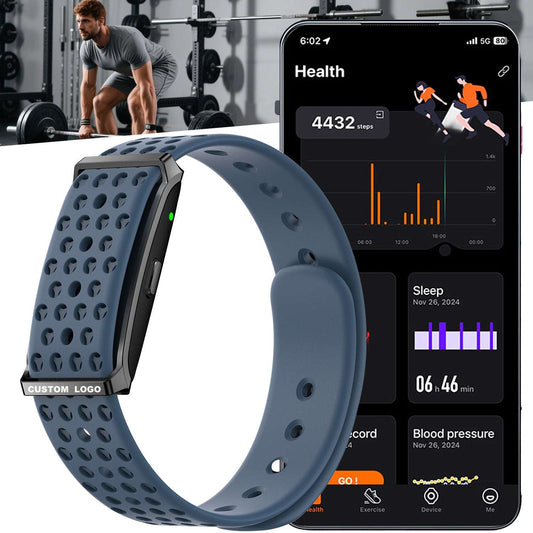

Channel Exclusivity Without New Hardware: Packaging Tiers, Strap Sets, and Color Drops for Wearable Wholesale Programs

Channel exclusivity is often treated as a hardware problem. Many distributors ask for a new mold, a new module shape, or a unique feature set just to differentiate one channel from another. In practice, exclusivity can be achieved faster and with lower risk by controlling three levers that buyers notice immediately:
- Packaging tier and unboxing experience
- Strap set and materials direction
- Color drops and seasonal releases
This approach creates channel-specific SKUs while keeping the underlying platform stable, which helps protect delivery schedules, quality consistency, and after-sales support.
Request a Quote | Download Catalog
1) Why Channel Exclusivity Matters in Wholesale
In distributor networks, the same product can appear in multiple catalogs and marketplaces. Without differentiation, partners face price erosion, listing duplication, and weak sell-through.
Channel exclusivity typically aims to achieve:
- A unique SKU identity that is easy to explain in one line
- A reason for a partner to invest in marketing and inventory
- A cleaner price tier separation between channels
- Fewer conflicts between regional distributors and online resellers
Exclusivity does not always require new hardware. For many wearable programs, what sells first is what the buyer sees first: packaging, strap style, and color identity.
2) Packaging Tiers That Create Real SKU Separation
Packaging is the fastest lever because it changes the product experience without altering production tooling. It also improves conversion in B2B re-sell channels where product photos and unboxing quality influence reviews.
A practical tier structure for wearable programs:
Tier A Standard Wholesale Pack
Best for distributor bulk shipments and cost-focused channels.
- Standard color box or neutral packaging
- Basic quick-start insert
- Standard labeling and barcode placement
Tier B Gift-Ready Box
Best for corporate buyers, gift channels, and premium retail bundles.
- Rigid box or premium sleeve design
- Insert card with simple onboarding steps
- Enhanced presentation for immediate usability
Tier C Corporate Kit or Program Bundle
Best for corporate programs and event distribution where first-use success matters.
- Gift-ready packaging plus onboarding card and workflow diagram
- Optional accessory add-ons such as pouch or organizer depending on program scope
- Batch labeling support for large rollouts such as department or region codes
Packaging tiers work particularly well when the same hardware is sold into multiple channels. Tier A protects price competitiveness. Tier B and Tier C create premium perception and reduce first-use friction.
3) Strap Sets as a Channel Differentiation Engine
Straps change the visual identity more than most buyers expect. They also influence comfort perception, wear compliance, and style alignment with different channels.
A strap set strategy uses one platform and creates multiple retail-facing identities:
Strap Set 1 Sport Silicone Direction
Best for fitness and general retail.
- Familiar and easy to explain
- Suitable for large volume and broad audiences
- Strong colorway expansion potential
Strap Set 2 Outdoor and Athleisure Direction
Best for outdoor-casual catalogs and youth assortments.
- Fabric or nylon direction shifts perception toward lifestyle
- Improves accessory-like positioning for daily wear
Strap Set 3 Premium Accessory Direction
Best for premium catalogs and gift programs.
- Metal or leather direction increases perceived value
- Works well with gift-ready packaging tiers
Strap sets can also support channel exclusivity in a controlled way:
- A distributor receives a unique strap color or texture while the module stays the same
- Corporate programs receive a distinct strap plus a dedicated insert card
- A region receives a seasonal strap pack without any platform change
This keeps firmware, app behavior, and production stability consistent across the entire program.
4) Color Drops That Build Demand Without Re-Engineering
Color drops are one of the lowest-cost, highest-impact exclusivity tools when managed with discipline. The goal is not to create endless colors. The goal is to create controlled releases that distributors can plan and market.
A practical color drop system:
Core Colors for Year-Round Supply
- Two to three neutral options for stable procurement and repeat orders
- Used as the baseline for pricing and stock planning
Seasonal Colors for Limited Releases
- Two colors per season for catalog refresh and marketing campaigns
- Used for channel exclusives or region-specific assortments
Partner-Exclusive Colorway
- One colorway reserved for a specific distributor or channel
- Protected through SKU naming rules and packaging design
Color drops work best when combined with packaging tiers:
- A partner-exclusive color plus gift-ready box creates a strong perceived SKU difference
- A seasonal color drop plus standard packaging supports quick inventory rotation
5) SKU Architecture: Keeping Exclusivity Clear Without Confusing Buyers
Exclusivity fails when SKU rules are unclear. A clean architecture makes it obvious what is different and what stays stable.
A simple structure that scales:
- Base model name remains stable for platform clarity
- SKU suffix indicates channel variation such as strap set or packaging tier
- Packaging tier is visible on the box and on the listing title
- Strap set is visible in the main product photo set
Example structure for internal planning:
- Model plus Strap Set plus Packaging Tier plus Colorway
This helps distributors and resellers maintain consistent listings, reduces wrong-order risk, and supports repeat orders.
6) What to Verify in Sampling When Exclusivity Is Packaging and Straps
Even when hardware stays stable, sampling should validate the channel-facing elements that create exclusivity. This reduces return risk caused by expectation mismatch.
Sampling checklist for packaging and strap based exclusivity:
Packaging validation
- Color consistency across box printing batches
- Insert card readability and onboarding clarity
- Barcode placement and labeling compliance for target markets
- Drop test and transit scuff resistance
Strap validation
- Comfort for day wear and sleep wear
- Fit range and fastening reliability
- Edge comfort and skin contact stability
- Appearance consistency under different lighting
Listing alignment
- Main photos clearly show the strap set and colorway
- Packaging tier is stated consistently across listing title and bullets
- Unboxing photos match the delivered packaging tier
Program readiness
- SKU naming rules are finalized before launch
- Distributor exclusivity rules are documented
- Repeat order consistency plan is defined for strap and packaging supply
7) Partner Content Pack: Keeping Channel Messaging Consistent
Channel exclusivity is not only physical. It is also messaging. The same product can look different simply by using consistent copy and structured assets.
A partner content pack typically includes:
- One sentence positioning line
- Five listing bullets
- One compliance line for wellness metrics where applicable
- Three icon statements such as screenless, IP rating, sport modes count, battery positioning
- A short onboarding flow such as Record sync review for recording products, or Wear sync review for screenless fitness bands
A consistent content pack reduces listing divergence across partners and improves brand control in multi-channel distribution.
8) RFQ Inputs That Enable Fast Channel Exclusive Planning
To plan exclusivity without changing hardware, the most useful inputs are commercial and operational, not engineering.
RFQ inputs for packaging tier and strap set exclusivity:
- Target channels and markets
- Estimated quantity per channel and expected timeline
- Packaging tier selection for each channel
- Strap set direction and colorway plan
- Any partner-exclusive SKU rules such as region lock or marketplace restrictions
- Language requirements for inserts and manuals
- Labeling requirements such as barcode format and carton marks
This information enables a supplier to propose a stable SKU plan that supports partner differentiation with minimal platform risk.